Day trip to Lonavala from Mumbai
83 km up the Mumbai–Pune Expressway into the Western Ghats: 2,000-year-old rock-cut caves, a UNESCO-listed hill fort, monsoon waterfalls and the chikki capital of India.
 Pillared prayer hall of the Karla rock-cut caves near Lonavala
Where Lonavala sits and what the day is really about
Lonavala and its twin Khandala straddle the Bhor Ghat, the pass where the Deccan plateau drops to the Konkan coastal plain, about 83 km southeast of Mumbai and 65 km from Pune. Elevation is around 620 metres, which is enough to knock five or six degrees off Mumbai's temperature and to catch the full force of the southwest monsoon. The area is a patchwork of basalt escarpments, reservoir lakes, 2nd-century-BCE Buddhist cave complexes and Maratha hill forts, and it is the single most visited weekend destination in the state.
That popularity is the main risk. On a Sunday in July, the expressway backs up, Bhushi Dam is shoulder to shoulder and the viewpoint parking overflows onto the highway. On a Tuesday in November, the same places are almost empty. Decide first whether you want caves and forts, in which case go dry-season and start early, or waterfalls and green, in which case accept the monsoon crowds and go midweek. Trying to do both on a weekend is how people end up spending six hours in a car.
Getting there by train, bus or road
Train is the least stressful option. Mumbai–Pune expresses from Chhatrapati Shivaji Maharaj Terminus and Dadar stop at Lonavala in about two to two and a half hours; the Deccan Express leaves CSMT around 6.40am, and the Intercity, Sinhagad and Pragati services cover the route through the day. Reserved chair car fares run ₹100 to ₹300, second class less. Lonavala station sits in the middle of town, five minutes from the market. Local trains also run Lonavala to Pune and Karjat, which is useful if you want to combine destinations.
By road it is the Mumbai–Pune Expressway from Kalamboli, roughly 90 minutes off-peak with a car toll around ₹336 each way, or two and a half to four hours on a holiday. Shivneri and Asiad buses from Dadar and Borivali to Pune stop at Lonavala for ₹250 to ₹500. Once there you need local transport: autos charge ₹150 to ₹400 for short hops, and a full-day taxi covering the caves, forts and viewpoints is ₹2,500 to ₹4,000. Rented two-wheelers are ₹600 to ₹900 a day and the most efficient way to cover the loop.
Karla, Bhaja and the rock-cut caves
The Karla Caves, about 11 km east of Lonavala near Malavli, hold the largest surviving early Buddhist chaitya hall in India — a 2nd-century-BCE prayer hall with a 15-metre vaulted roof, 37 octagonal pillars and original wooden ribs still in place. Entry is around ₹25 for Indian nationals and ₹300 for foreign visitors, and the climb from the car park is roughly 350 steps past the Ekvira Devi temple, which draws heavy pilgrim traffic on Tuesdays, Fridays and during Navratri. Go at 8.30am to have the hall to yourself.
Across the valley, the Bhaja Caves are older, quieter and arguably more atmospheric: 22 excavations from the 2nd century BCE, a chaitya with a horseshoe arch, a cluster of stupas and a seasonal waterfall beside the steps. Same ticket structure, similar climb, a fraction of the crowd. Bedse Caves, 15 km further, complete the set for anyone genuinely interested in early Buddhist architecture. Karla and Bhaja together take three hours including travel, and they are the strongest reason to come to Lonavala in the dry season.
Forts, lakes and viewpoints
Lohagad Fort, reached from Malavli station, is a 2,000-year-old hill fort at about 1,050 metres, inscribed by UNESCO in 2025 as part of the Maratha Military Landscapes of India. The climb takes 45 to 75 minutes on stone steps to the Vinchu Kata spur, entry is nominal, and the ridge views over Pawna Lake are the best in the district. Visapur Fort next door is a rougher scramble and superb in monsoon. Rajmachi, further out, is a full-day trek rather than a day-trip stop.
The soft-option viewpoints line the escarpment west and south of town: Tiger's Leap for the vertical drop and the echo, Lion's Point for sunset, Rajmachi Point for the fort silhouette, and Duke's Nose near Khandala for the profile that gives it the name. All are free and all are 15 to 30 minutes apart by road. Bhushi Dam draws the biggest monsoon crowds and access is now regulated for safety after repeated drownings — go early, stay off the spillway steps in heavy flow, and consider Pawna Lake or Kune Falls instead.
Food, chikki and what to bring home
Lonavala's market on the main road is essentially one long chikki shop. Peanut, sesame, cashew and dry-fruit versions sell for ₹200 to ₹500 a kilogram, and the older established shops let you taste before buying. Fudge and walnut halwa are the other local staples. On the food front, the roadside dhabas along the old highway do misal pav, kanda bhaji, vada pav and thalis for ₹120 to ₹350, and corn on the cob with lime and chilli at ₹40 is the standard monsoon snack.
For a sit-down meal, the resort restaurants around Tungarli and the highway hotels serve Maharashtrian and North Indian menus at ₹600 to ₹1,200 for two, and there are a handful of good cafés near the station doing filter coffee and breakfast for ₹300 to ₹600. Carry a refillable bottle — the viewpoint stalls sell water at ₹30 and generate a startling amount of plastic on the escarpment. If you want a proper lunch with a view, book ahead at one of the Pawna Lake or Tungarli properties, especially on weekends.
Two workable itineraries and when to avoid
Dry-season plan: 6.40am express from CSMT, arrive Lonavala 9am, taxi to Bhaja Caves, then Karla, then Malavli for the Lohagad climb, lunch at a dhaba near Malavli, back to town for chikki shopping, sunset at Lion's Point, and a 7pm or 8pm train home. Monsoon plan: same train, then Tiger's Leap and Rajmachi Point in the morning cloud, Kune Falls, an early lunch, Pawna Lake in the afternoon, and back before the expressway traffic builds. Budget ₹1,500 to ₹3,000 a head either way.
Avoid the last weekend of the monsoon holidays, any Sunday in July and August, and Diwali week — the expressway becomes a car park and the viewpoints lose whatever appeal they had. Avoid climbing Lohagad or Visapur in the two hours after heavy rain, when the steps run like a stream. And avoid the temptation to add Pune on the same day: Lonavala to Pune is another 65 km, and a combined trip means seeing neither properly. Lonavala is a full, self-contained day out of Mumbai.
Frequently asked questions
What people ask before they set off on this one.
It is 83 km via the Mumbai–Pune Expressway, roughly 90 minutes off-peak and two and a half to four hours on holiday weekends, with a car toll near ₹336 each way. Trains from CSMT or Dadar take two to two and a half hours for ₹100 to ₹300 in a reserved chair car. Buses from Dadar and Borivali cost ₹250 to ₹500.
Yes for waterfalls, green escarpments and cool air, no if you want views or space. Cloud covers the viewpoints for long stretches, Bhushi Dam is heavily crowded and now regulated for safety, and the fort steps get dangerously slippery. Go on a weekday between mid-July and mid-September and start by 8am.
The Karla and Bhaja rock-cut caves, the Lohagad Fort climb — now part of a UNESCO World Heritage inscription — and one sunset viewpoint such as Lion's Point or Tiger's Leap. Add chikki shopping in the town market and a dhaba lunch. Cave entry is about ₹25 for Indian nationals and ₹300 for foreign visitors.
A full-day taxi covering the caves, forts and viewpoints costs ₹2,500 to ₹4,000, autos charge ₹150 to ₹400 for short hops, and rented two-wheelers are ₹600 to ₹900 a day. Local trains connect Lonavala to Malavli, which is the station for Lohagad and Bhaja, for under ₹20 — the cheapest way to reach the caves.
Technically yes, practically no. Lonavala to Pune is another 65 km and the combination means five or six hours of travel and no proper time in either place. Treat them as separate day trips, or use Lonavala as a stop on an overnight Pune trip.
Chikki, the local nut-and-jaggery brittle, at ₹200 to ₹500 a kilogram from the shops along the main road — peanut and dry-fruit are the standards, and the established shops let you taste first. Fudge and walnut halwa are the other staples. Buy on the way back rather than carrying it around all day in the heat.
Hotels in Mumbai
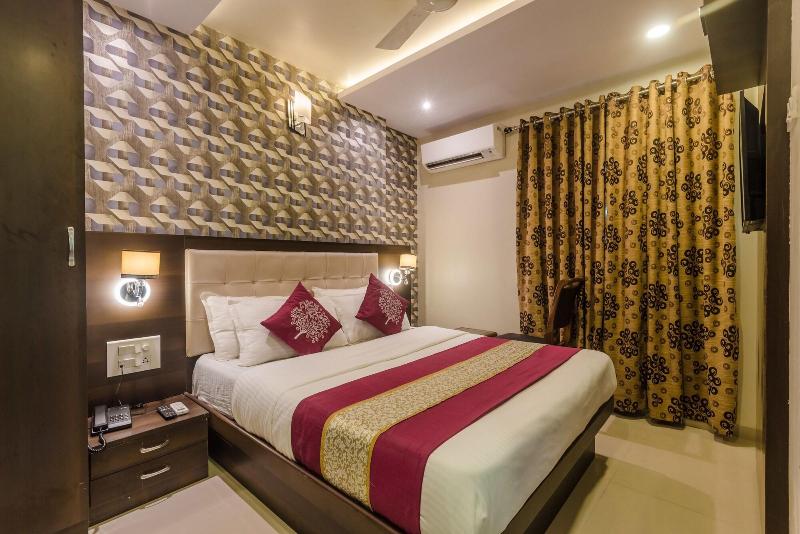
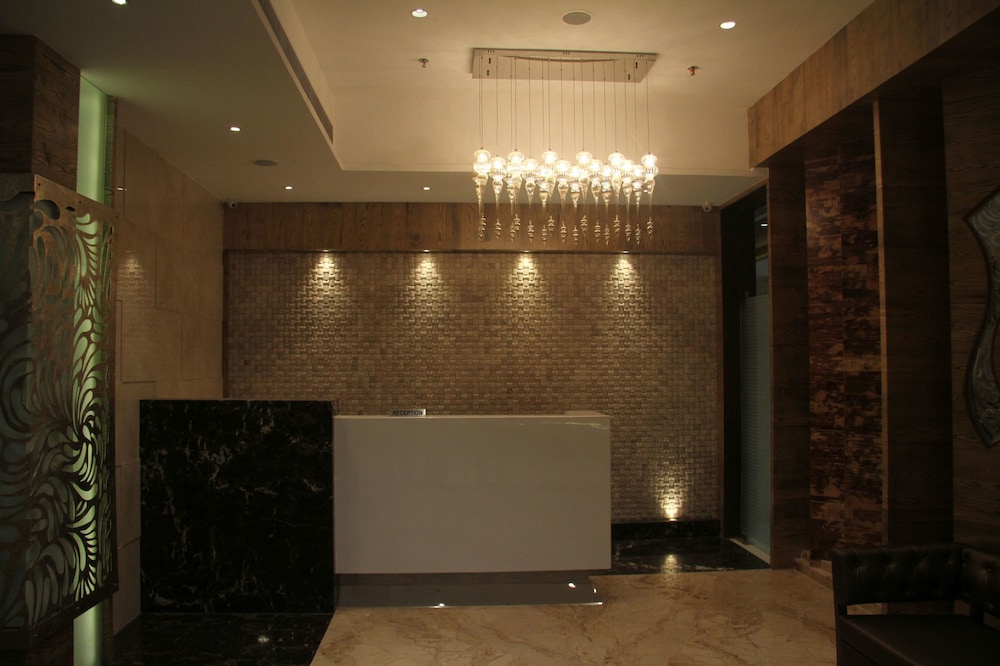

Hotels we cover across Mumbai
- Fabhotel Ashok Tuliip 3★
- FabHotel Axis International Nr Mumbai International Airport 3★
- Fabhotel Bhiwandi Palace 3★
- Fabhotel Blue Diamond Navi Mumbai 3★
- FabHotel Candor Amigo 3★
- FabHotel Castle Inn 3★
- Fabhotel Chembur Residency 3★
- FabHotel Corporate Apartments Bandra 3★
- FabHotel Cozy Inn 3★
- Fabhotel Cruz Royale 3★
- FabHotel Dadar Residency Dadar East 3★
- FabHotel Devanshi Inn 3★
- Fabhotel Dolphin Residency 3★
- FabHotel Dolphin Residency 3★
- Fabhotel Dream Inn 3★
- Fabhotel Eldoria 3★
- Fabhotel Elvis International 3★
- Fabhotel Everest 3★
- Fabhotel Fortuna Inn 3★
- Fabhotel Galaxy Inn 3★
- FabHotel Garden Park Kurla 3★
- Fabhotel Gateway 3★
- Fabhotel Golden Bird 3★
- Fabhotel Golden Palms 3★
More guides to Mumbai
All guides Itineraries · 9 min read
48 hours in Mumbai
Itineraries · 9 min read
48 hours in Mumbai
A two-day plan built around one hotel base, 2 metro lines and zero rented cars — designed for the business traveller who lands Thursday night and flies out Sunday morning.
 Itineraries · 10 min read
One week in Mumbai
Itineraries · 10 min read
One week in Mumbai
Seven days across the island city, the suburbs, Navi Mumbai and the harbour islands — including 2 UNESCO World Heritage sites and one full day you should keep free for work.
 Itineraries · 9 min read
Mumbai in 3 days on a budget
Itineraries · 9 min read
Mumbai in 3 days on a budget
Three full days in India's most expensive city for under ₹9,000 all in — using local trains at ₹10 a ride, free monuments and 3 walkable districts.
Pick your pocket, compare rates on app.impt.io, and every confirmed stay funds one verified tonne of carbon removal at no extra cost.