Free things to do in Mumbai
More than 20 things in Mumbai and Navi Mumbai that cost nothing beyond a ₹10 train ticket — heritage streets, seafronts, flamingo creeks and gallery districts, mapped for the gaps in a working week.
 Evening crowds along the curved seawall of Marine Drive in Mumbai
Marine Drive and the Fort heritage walk
Start where the city starts: the 3.6km seawall from Nariman Point to Girgaum Chowpatty. Walking the full curve takes about 50 minutes and costs nothing; the tetrapods opposite the NCPA are where office crowds land after 6pm. Walk north with the water on your left and you pass the Art Deco run of Soona Mahal, Kapur Mahal and Zaver Mahal — one of the largest Deco collections in the world, and the reason the Victorian Gothic and Art Deco Ensembles of Mumbai carry UNESCO listing. Come back on foot at 7am and you get the same view with joggers, cutting chai vendors and no traffic noise.
The Fort loop inland is equally free. From Churchgate station walk to Oval Maidan, where you can stand on the grass with the High Court and Rajabai Clock Tower on one side and Deco apartment blocks on the other. Continue through Kala Ghoda to Horniman Circle, the Asiatic Society's Town Hall steps, and the outside of Chhatrapati Shivaji Maharaj Terminus — still a working suburban rail hub, so the concourse is open to anyone with a platform ticket of about ₹10. Budget two hours, wear real shoes, and carry water: the pavements are hard and shade is patchy.
Gardens, promenades and the Malabar Hill circuit
Kamala Nehru Park and the Hanging Gardens (Pherozeshah Mehta Gardens) sit at the top of Malabar Hill, both free and both open roughly 5am to 9pm. From the low wall at Kamala Nehru Park you look straight down the Back Bay arc — the classic Queen's Necklace frame that photographers pay hotel bar prices for elsewhere in the city. Walk five minutes down Ridge Road and you reach the steps to Banganga Tank at Walkeshwar: a stone water tank ringed by temples, ghats and pigeons, older than almost anything else standing in Mumbai, and one of the quietest half-hours available on the island.
Elsewhere, Sagar Upvan garden near Colaba's Badhwar Park is free and almost empty on weekday mornings. The Five Gardens in Matunga, laid out among Parsi and South Indian bungalow streets, are good for a 30-minute reset between meetings in Dadar or Wadala. Priyadarshini Park at Napean Sea Road charges members but the seafront promenade beside it does not. Shivaji Park in Dadar, 28 acres of cricket dust, is where you watch a dozen matches overlap at once — free, loud, and more honest than any organised tour of the city's sporting culture.
Temples, tanks and places of worship
Haji Ali Dargah, reached by a causeway off Lala Lajpatrai Marg, is free to enter and best at high tide when the walkway is closed by water and at low tide when you can actually cross. Mahalaxmi Temple next door, Babulnath Temple above Girgaum Chowpatty and Siddhivinayak in Prabhadevi all cost nothing; Siddhivinayak's free darshan queue can run 45 to 90 minutes on Tuesdays, so go on a weekday morning instead. Leave shoes at the stands for ₹10 to ₹20 and leave leather belts and bags in the car where signs ask you to.
The city's layered faiths make a good free half-day. Mount Mary Basilica in Bandra, the Magen David Synagogue in Byculla and the Knesset Eliyahoo Synagogue at Kala Ghoda are all open to respectful visitors — the synagogues require photo ID at the door for security. St Thomas Cathedral at Horniman Circle asks only for a donation. Dress conservatively: covered shoulders and knees, no shorts, and expect security checks at every one of them. Photography is often restricted inside, always allowed outside, and asking first is the difference between a welcome and a lecture.
Galleries, libraries and the free museum windows
Jehangir Art Gallery at Kala Ghoda is free, open 11am to 7pm daily, and turns over its four halls roughly every week — the fastest way to see what Indian contemporary art is arguing about this month. The Piramal Museum of Art at Peninsula Corporate Park in Lower Parel is also free and air-conditioned, which matters in April. Gallery Chemould, Project 88 in Byculla and Tarq near Colaba all run free openings; walk in, sign the book, drink the water, look properly. Kitab Khana on Dr Dadabhai Naoroji Road lets you read for an hour under vaulted wood ceilings without buying anything.
A few paid institutions cost so little they belong here. Dr Bhau Daji Lad Museum in Byculla charges about ₹10 for Indian nationals; the NGMA near Regal Cinema is about ₹20. CSMVS, the big Prince of Wales museum, runs closer to ₹150 for Indian adults and ₹700 for foreign visitors — worth it, but not free. The genuinely free institutional visit is the Bombay High Court, where public galleries admit visitors to open hearings on working days with photo ID; guided heritage walks of the building run on some Saturdays by prior email.
Bandra: street art, seafront and Mount Mary
Bandra West rewards aimless walking more than any other suburb. Chapel Road and Ranwar village are covered in murals — the Bollywood portraits, the Dadasaheb Phalke tribute, the tiled Portuguese-era house names — and the lanes are narrow enough that cars mostly give up. From there it is ten minutes to Bandstand promenade, free and busy from 5pm, with the Bandra Fort headland at the north end giving the cleanest free view of the Bandra-Worli Sea Link. The amphitheatre at the fort hosts occasional free performances; check the Bandra Bandstand Residents Trust noticeboard at the gate.
Carter Road promenade, 1.2km further north, has a free open-air gym, a skate bowl and a run of benches where the city walks its dogs at dusk. Between the two, Mehboob Studio's wall art and the Pali Hill bungalow streets make an easy loop. Get there from Churchgate on a Western Line slow train to Bandra for about ₹10 in second class, then walk 20 minutes west or take an auto for ₹30 to ₹40. Sunday mornings the Carter Road stretch is at its calmest; Saturday evening it is shoulder-to-shoulder and better for people-watching than photographs.
Navi Mumbai: Central Park, flamingos and Palm Beach Road
Navi Mumbai is the underrated half of this list, and the half that suits anyone based in Belapur, Vashi or Airoli for work. Central Park in Kharghar is one of the largest urban parks in the country, free to enter, with a hill path, cricket grounds and a lake — a genuine 90-minute walk without leaving the city. The ISKCON Sri Sri Radha Madanmohan temple at Kharghar and the granite Shri Balaji Mandir at Nerul are both free and both nearly empty on weekday mornings. Harbour Line trains from CSMT to Belapur cost roughly ₹20 in second class and run every few minutes.
From November to April, Thane Creek fills with lesser flamingos. You can pay for a boat safari at the Airoli interpretation centre, but the free version works: the bund at DPS Lake in Seawoods, the roadside stretches along Palm Beach Road, and Sewri Jetty on the island side all give binocular-range birds at low tide, best two hours after sunrise. Palm Beach Road itself, 10km of mangrove-edged carriageway between Vashi and Belapur, is the one place in greater Mumbai where an evening walk feels like it was planned. Check tide tables first; at high water the mudflats and the birds vanish.
Fitting free Mumbai around a working week
The city's business geography decides which free things are actually reachable. If your meetings are in Nariman Point or Fort, Marine Drive, Kala Ghoda and the High Court are inside a 15-minute walk. If you are in the Bandra Kurla Complex, Bandra's promenades and Chapel Road are one short auto ride away — ₹30 to ₹50 — and far more pleasant than a mall lunch. Lower Parel and Worli teams get the Piramal Museum, Worli Sea Face and the Nehru Centre precinct. Belapur and Airoli teams get Central Park and the flamingos, which is arguably the better hand.
Free also tends to be the low-carbon option here, which is not a coincidence: walking, suburban rail and the Metro Line 2A and 7 corridor along the Western Express Highway move people at a fraction of the emissions of a car in Mumbai traffic, and cost ₹10 to ₹40 a ride. Load a Chalo card for BEST buses — minimum fares from about ₹5, with air-conditioned routes around ₹6 to ₹20 — and you can string four or five free sights into an evening. The one thing to buy is water: ₹20 a litre, and you will need two.
Frequently asked questions
What people ask before they set off on this one.
A workable free day: Banganga Tank and Kamala Nehru Park at 7am, the Fort and Kala Ghoda heritage walk with Jehangir Art Gallery from 11am, Haji Ali Dargah in the afternoon, then Bandra Bandstand and Bandra Fort for sunset. Total transport cost is under ₹100 using suburban trains and BEST buses. Add ₹20 for shoe storage at the temples and ₹40 for water.
Yes. The promenade and seawall are public space, open 24 hours, with no ticket or entry fee. Sitting on the tetrapods is free too, though the concrete blocks are uneven and slippery after rain. The only costs are what you buy from the chai, bhutta and ice-cream vendors, typically ₹20 to ₹60.
Jehangir Art Gallery at Kala Ghoda is free and open 11am to 7pm, and the Piramal Museum of Art in Lower Parel is free with air-conditioning. Most commercial galleries in Colaba, Byculla and Lower Parel charge nothing. The big civic museums are cheap rather than free: Dr Bhau Daji Lad from about ₹10 for Indian nationals, NGMA around ₹20, CSMVS around ₹150 for Indians and ₹700 for foreign visitors.
From November to April, try the bund at DPS Lake in Seawoods, the mangrove edges along Palm Beach Road in Navi Mumbai, and Sewri Jetty on the island city side. All three are free roadside or public-access viewing. Go within two hours of low tide and bring binoculars — the birds feed on exposed mudflats and disappear at high water. Paid boat safaris from the Airoli centre get you closer but cost several hundred rupees per person.
Yes, the Bandra Fort (Castella de Aguada) headland and its amphitheatre are free public space, generally open from morning until about 9pm. It gives the best no-cost view of the Bandra-Worli Sea Link, and occasional free concerts and readings happen in the amphitheatre. Arrive by 5.30pm on weekdays for sunset; weekend evenings are extremely crowded.
Avoid unofficial guides who attach themselves at Gateway of India and the Fort area, and skip the boat touts quoting inflated prices at the Apollo Bunder jetties. Do not swim at Girgaum Chowpatty or Juhu — the water quality is poor and there are undertows. In monsoon, stay off the Marine Drive seawall during high tide and heavy swell, when waves regularly cross the promenade.
Hotels in Mumbai
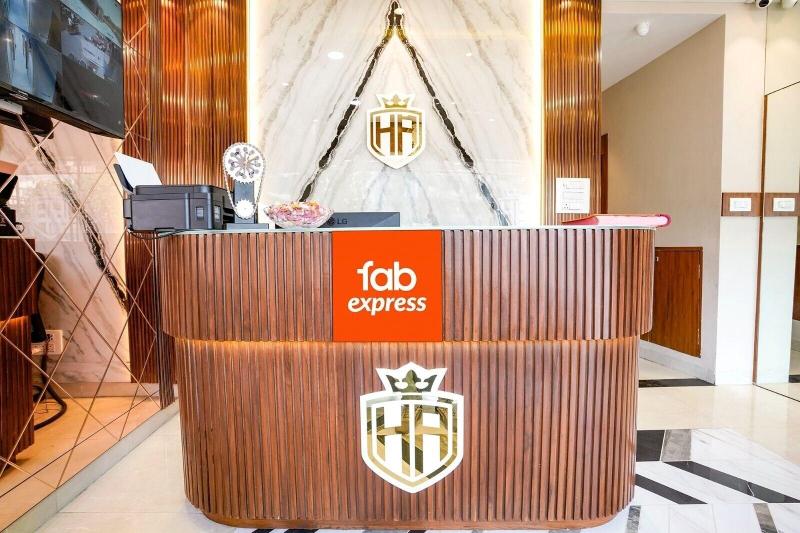
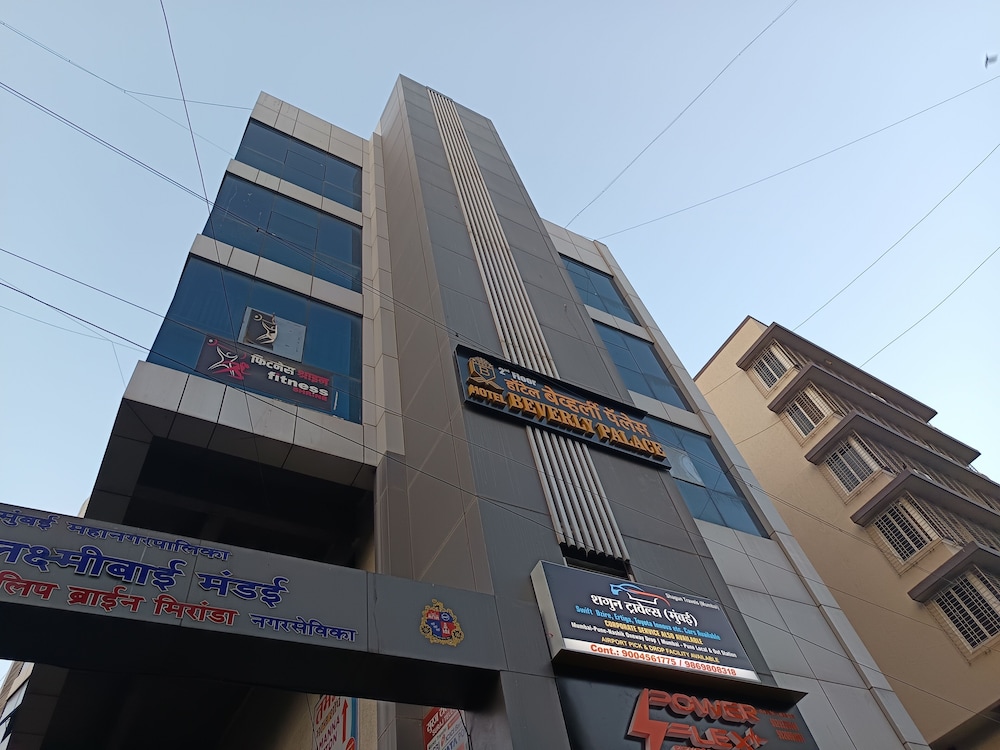
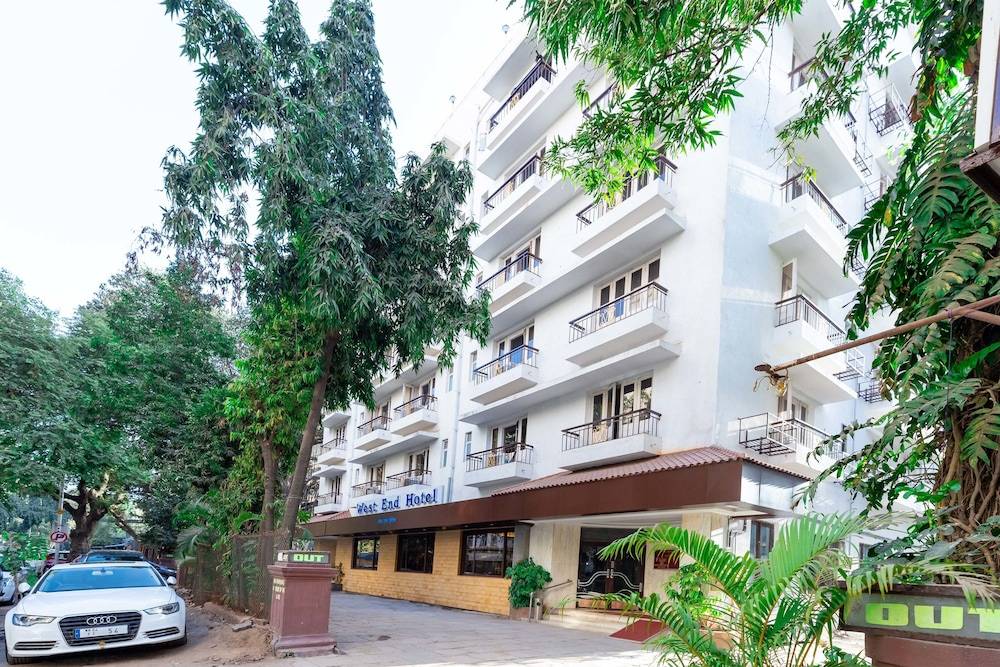
Hotels we cover across Mumbai
- Abode Bombay 3★ · 4.5/5
- Fabhotel Peralz 3★ · 4.5/5
- FabHotel Swamini Niwas Malad East 3★ · 4.5/5
- Gobinddham 3★ · 4.5/5
- Hexa Executive 3★ · 4.5/5
- Hotel Crown Inn 3★ · 4.5/5
- Hotel Dream Palace Residency Near to US Embassy Bkc Mumbai 3★ · 4.5/5
- Hotel Harbour View 3★ · 4.5/5
- Hotel Plaza 3★ · 4.5/5
- Hotel Tip Top Plaza 3★ · 4.5/5
- Madhav Residency Kalyan Mumbai By Zuzu 3★ · 4.5/5
- Marigold Residency 3★ · 4.5/5
- Radisson Blu Mumbai International Airport 3★ · 4.5/5
- Royal Hometel Suites Dahisar Mumbai 3★ · 4.5/5
- Shubham Comforts 3★ · 4.5/5
- Treebo Trip Aarush Inn 3★ · 4.5/5
- AR Residency 2★ · 4.5/5
- Hexa Metro Plaza 2★ · 4.5/5
- Hotel Alfa Executive 2★ · 4.5/5
- Hotel Amazing 2★ · 4.5/5
- Hotel Best 2★ · 4.5/5
- Hotel Grand Villa 2★ · 4.5/5
- Hotel Heritage Dakshin 2★ · 4.5/5
- Hotel Sagar 2★ · 4.5/5
More guides to Mumbai
All guides Itineraries · 9 min read
48 hours in Mumbai
Itineraries · 9 min read
48 hours in Mumbai
A two-day plan built around one hotel base, 2 metro lines and zero rented cars — designed for the business traveller who lands Thursday night and flies out Sunday morning.
 Itineraries · 10 min read
One week in Mumbai
Itineraries · 10 min read
One week in Mumbai
Seven days across the island city, the suburbs, Navi Mumbai and the harbour islands — including 2 UNESCO World Heritage sites and one full day you should keep free for work.
 Itineraries · 9 min read
Mumbai in 3 days on a budget
Itineraries · 9 min read
Mumbai in 3 days on a budget
Three full days in India's most expensive city for under ₹9,000 all in — using local trains at ₹10 a ride, free monuments and 3 walkable districts.
Pick your pocket, compare rates on app.impt.io, and every confirmed stay funds one verified tonne of carbon removal at no extra cost.