Money, tipping, and prices in Mumbai
Mumbai runs on QR codes: UPI handles billions of transactions a month and a ₹20 vada pav is paid by phone. Here is what things cost and where cash still matters.
 A vendor accepting a UPI payment by QR code at a Mumbai street stall
Cash, cards and UPI
Mumbai is close to cashless at the top and bottom of the market and stubbornly cash-based in the middle. Hotels, restaurants, malls and app cabs take Visa and Mastercard without fuss. Street vendors, chaiwallas and autorickshaw drivers take UPI via QR code — the ₹20 vada pav stall will have a laminated code taped to the cart. What sits awkwardly in between are small standalone shops, ferry counters, temple offerings and market stalls that want notes. Carry ₹2,000-3,000 in cash, mostly in ₹100 and ₹200 notes, and top up every couple of days.
UPI apps generally require an Indian bank account, so most short-stay visitors cannot use them; some international cards can now be linked through UPI One World wallets sold at airport counters, which is worth investigating if you are here for a week or more. Otherwise plan on card plus cash. Tell your bank you are travelling, expect a 1-3 percent foreign transaction fee, and always choose to be charged in rupees rather than accepting a terminal's offer to convert — dynamic currency conversion routinely costs 4-6 percent.
What things cost
Anchor prices, off-season: a cutting chai on the street ₹10-15, a vada pav ₹20-25, an Udupi restaurant thali ₹150-250, a beer in a mid-range bar ₹350-450, a cocktail in a Lower Parel rooftop bar ₹800-1,200, a main course in a good restaurant ₹500-900, dinner for two with wine at a five-star ₹6,000-9,000. Transport: local train ₹5-10 second class, ₹65-105 first class, metro ₹10-70, BEST bus from ₹5, autorickshaw minimum ₹26, taxi minimum ₹31, app cab across town ₹300-600.
Accommodation is where Mumbai gets expensive relative to the rest of India. A hostel dorm runs ₹900-1,500, a clean budget double ₹2,500-4,000, a good four-star ₹6,000-9,000 and an international five-star ₹12,000-20,000. Navi Mumbai runs 40-50 percent below those business-hotel numbers. Elsewhere: a laundered shirt at a hotel ₹250-400, a barber shave in a local salon ₹100, an hour of coworking in BKC or Lower Parel ₹300-600, a full-day car with driver ₹2,500-3,500, entry to Elephanta Caves ₹40 for Indians and ₹600 for foreign nationals.
Tipping, and where it is already included
Tipping is expected but modest. In restaurants without a service charge, leave 10 percent; with a service charge already on the bill, nothing more is required, and by Indian consumer rules service charge is voluntary and can be removed on request. Round up autorickshaw and taxi fares to the nearest ₹10. Hotel porters ₹50-100 per bag, housekeeping ₹100 a day left in the room, a doorman who finds you a cab ₹50. A driver on a full-day hire ₹200-300, more if he has waited through a long dinner.
Elsewhere: ₹50-100 for a spa or salon attendant, ₹100-200 for a walking-tour guide per person on top of the fee, ₹20-50 to the attendant at a paid public toilet or a parking valet. Do not tip at street stalls, Udupi restaurants or Irani cafes — it is not the convention and the price is the price. If someone unasked carries your bag, points at a taxi, or offers to guide you around a monument, that is a paid transaction being created; agree the number first or decline clearly.
ATMs, exchange and the airport trap
ATMs are everywhere and reliable. Most cap withdrawals at ₹10,000 per transaction and charge ₹150-250 for foreign cards, so take the maximum each time rather than making several small pulls. Bank-branded machines — HDFC, ICICI, Axis, SBI — are more dependable than standalone kiosks in shopping arcades. Airport exchange counters offer the worst rates in the city, typically 3-5 percent below the interbank rate plus a fee; change only what you need for the first taxi, then use an ATM in town.
Licensed money changers in Fort, around Horniman Circle and the Colaba Causeway area, and in Bandra West offer better rates than hotels, which routinely take 5 percent. Count notes before leaving the counter and keep the receipt. Note that Indian ₹500 notes are the largest in circulation, ₹2,000 notes have been withdrawn from issue, and torn or heavily marked notes are refused by shopkeepers — check what you are handed. Keep ₹10 and ₹20 notes for buses, tips and toilets, which are the most persistent small-change needs.
Expensing it: GST, invoices and receipts
Hotel rooms carry GST at 12 percent up to ₹7,500 a night and 18 percent above it; restaurant meals carry 5 percent in most standalone restaurants and 18 percent in hotel restaurants above the room-rate threshold. Alcohol carries state excise instead and is billed separately. All of this appears itemised on a proper GST invoice, and any business hotel will issue one with your company name and GSTIN if you provide them at check-in — do that on arrival, because retrofitting an invoice later is painful.
For app cabs, download the trip invoice from the app rather than trusting a driver's handwritten slip. Metered taxis will give you a printed receipt if asked; autorickshaws generally will not, so log those yourself. Street food and market purchases come without paperwork, which is worth knowing if your policy demands receipts for everything. Coworking spaces in BKC, Lower Parel and Andheri East all invoice properly and are a sensible substitute for hotel meeting rooms at ₹300-600 an hour.
Where the money goes further
Mumbai rewards spending unevenly. Food is the best value in the city: ₹300 buys a better meal at Cafe Madras or Ram Ashraya than ₹1,500 does in a hotel coffee shop. Transport is nearly free if you use rail and bus. Culture is cheap — the Chhatrapati Shivaji Maharaj Vastu Sangrahalaya is around ₹150 for Indians and ₹700 for foreign nationals, the Jehangir Art Gallery is free, and walking Fort and Ballard Estate costs nothing.
What is genuinely expensive is anything alcohol-related, imported goods, taxis in the rain and hotel rooms in season. Maharashtra's excise duties mean a bottle of imported wine can cost three times its origin price and a five-star cocktail ₹1,200. The efficient split for a business trip: pay up for a well-located, properly certified hotel that saves you two hours a day in traffic, then eat, travel and explore at local prices. That trade beats the reverse every time in a city where the commute is the real cost.
Frequently asked questions
What people ask before they set off on this one.
In hotels, restaurants, malls, chains and app cabs, yes. Street stalls, small shops, ferry counters and autorickshaws often want cash or UPI. Carry ₹2,000-3,000 in ₹100 and ₹200 notes as backup. Always ask to be charged in rupees rather than your home currency to avoid a 4-6 percent conversion markup.
Ten percent where no service charge appears on the bill. If a service charge is already listed, nothing further is needed — and it is legally voluntary, so you can ask for it to be removed. At street stalls, Irani cafes and Udupi restaurants, tipping is not the convention and no one expects it.
Around ₹1,000-1,500 covers transport, street food, market buys and tips for a normal day, with cards handling hotels and restaurants. Withdraw ₹10,000 at a time from a bank-branded ATM to minimise the ₹150-250 foreign-card fee. Keep a stock of ₹10 and ₹20 notes for buses, autos and paid toilets.
Hotels and alcohol are, substantially — expect to pay 30-50 percent more for a room than in most Indian cities. Food, transport and museums are not: a full local meal is ₹150-300 and a cross-city train ride is ₹10. Navi Mumbai hotels cost 40-50 percent less than equivalent island-city properties.
Not usually with a home-country app, because UPI is tied to an Indian bank account. Prepaid UPI One World wallets for international visitors are sold at Mumbai airport counters and work at QR-code merchants, which is worth doing on a longer stay. Otherwise plan on card plus cash — every business you actually need takes one or the other.
Hotels in Mumbai
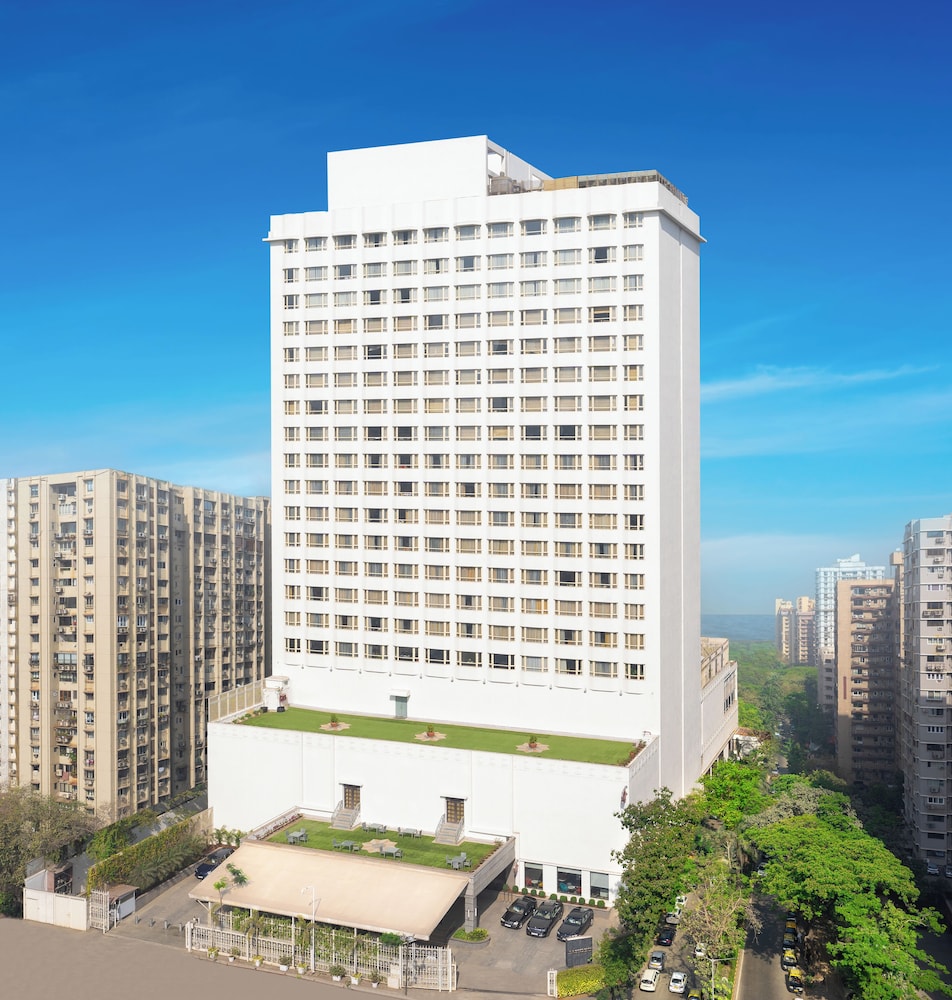
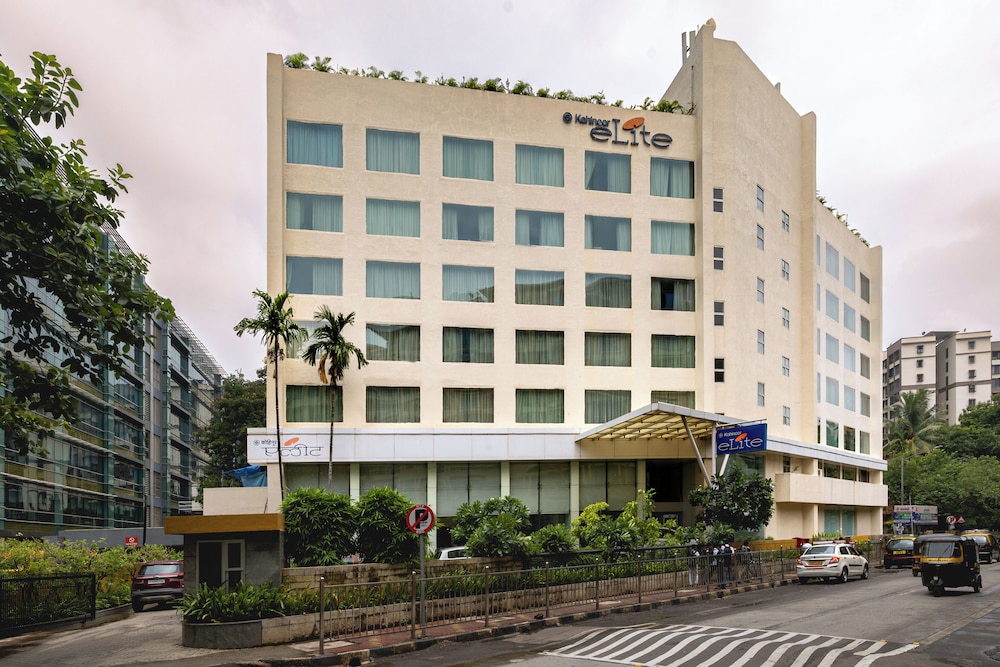
Hotels we cover across Mumbai
- Casa Cabin Stay Mumbai
- Chic 1bhk lilavati hospital bandra
- City Homes Orchid Apartment
- Coastal chic 10min from Airport
- Cozy & Comfy Room 1BHK great location
- Cozy Camper Van Styled Studio Home
- Cozy Rose Peaceful Village Retreat in Bandra
- Cozy Upscale 1 bhk Apt near BKC
- Decent furnished 1RK Navi Mumbai
- Den near the sea
- Divine Homes AC Dormitory
- Dom Lucia 201 Quiet and Cozy 1 BHK Bandra Ocean Side WIFI
- Dom Lucia Near Carter Road Bandra West by Connekt Homes
- Doubletree by Hilton Mumbai International Airport
- Downtown 1BHK Appt Mahalaxmi 601
- Downtown 2 and half BHK Appt Mahalaxmi 1201
- Ebony Room AC Kitchenette Ensuite Independent Homestay
- Entire Flat in Andheri West #08
- Eternal Sunshine Pod Room
- Friends and Family Group Villa Borivali West
- Galaxy Cabin Stay And Dormitory
- Garden View Studio Apartment in Sanpada Navi Mumbai
- Garden View Terrace 1 BHK in Sanpada Navi Mumbai
- GJ Premium Shared Apartments Bandra W
More guides to Mumbai
All guides Itineraries · 9 min read
48 hours in Mumbai
Itineraries · 9 min read
48 hours in Mumbai
A two-day plan built around one hotel base, 2 metro lines and zero rented cars — designed for the business traveller who lands Thursday night and flies out Sunday morning.
 Itineraries · 10 min read
One week in Mumbai
Itineraries · 10 min read
One week in Mumbai
Seven days across the island city, the suburbs, Navi Mumbai and the harbour islands — including 2 UNESCO World Heritage sites and one full day you should keep free for work.
 Itineraries · 9 min read
Mumbai in 3 days on a budget
Itineraries · 9 min read
Mumbai in 3 days on a budget
Three full days in India's most expensive city for under ₹9,000 all in — using local trains at ₹10 a ride, free monuments and 3 walkable districts.
Pick your pocket, compare rates on app.impt.io, and every confirmed stay funds one verified tonne of carbon removal at no extra cost.