Karjat
River-and-paddy country at the foot of the ghats, 70 km out — farmstays, waterfall treks and the quietest offsite venues near Mumbai.
 Ulhas river running past paddy fields at Karjat with the Sahyadri escarpment and Bhivpuri ridge behind
Why people stay in Karjat
Karjat is a railway town in Raigad district at the base of the Bhor ghat, 70 km from Mumbai on the Central line, and it is the least glamorous and most useful of the hill escapes on this list. There is no viewpoint economy here, no chikki bazaar, no toy train. What Karjat has is the Ulhas river, paddy fields, a wall of Sahyadri escarpment behind it, and in the last decade a genuine cluster of farmstays and villa retreats along the Kadav, Kondhana and Bhivpuri roads. Rooms start around ₹3,000 and the good ones grow their own vegetables — not as a brochure line but because the nearest supermarket is a long drive.
For sustainable business travel this is the strongest proposition close to the city. Several properties here run on solar water heating, compost their kitchen waste and hire staff from Kadav and Chowk villages rather than importing them, and the whole place is reachable by train — a Karjat local from CSMT costs under ₹40 in second class, which is a carbon and cost story you can actually put in a report. Group sizes of eight to thirty work best. A 200-person conference does not belong here; go to Lonavala for that.
At 9pm Karjat town is a station forecourt with vada pav stalls and a few dhabas on the Karjat–Chowk road, and the retreats are dark fields with frogs. There is essentially no going out. Dinner is where you sleep, served early, and most properties will not do room service after 10pm. Mobile coverage in the valley pockets around Kondhana is patchy on some networks, which is either the entire point or a dealbreaker depending on your team.
Skip Karjat if you want swimming pools with a view and a spa menu — a handful of resorts do that, but you are paying Lonavala prices for a lower-altitude, hotter location. Come between late June and October, when the Ulhas is full, the paddy is green, and the waterfalls at Bhivpuri and Zenith are running. February to May the rivers shrink, the valley heats to the mid-thirties, and the case for coming this far weakens considerably. Winter mornings, though — mist on the fields at 6.30am with the ghat wall appearing behind it — are the best thing here.
The choice is between the river side and the ghat side. Along the Ulhas near Kadav and Neral road, farmstays and river-facing villas run ₹3,500 to ₹9,000 a night, usually all-meals, with the water walkable from your room in the monsoon. On the Kondhana and Bhivpuri side, closer to the escarpment, the newer boutique resorts and larger group villas sit at ₹9,000 to ₹25,000, better for whole-house offsite bookings with breakout space. Budget lodges near Karjat station are ₹1,500 to ₹2,500 and fine for a night before a dawn trek, no more. Two warnings: check exactly how far your property is from Karjat station, because ten kilometres of unlit village road at 11pm is a different arrival than it sounds; and avoid anything on the immediate riverbank in July and August without asking about flood history, because the Ulhas rises fast.
Things to do in Karjat
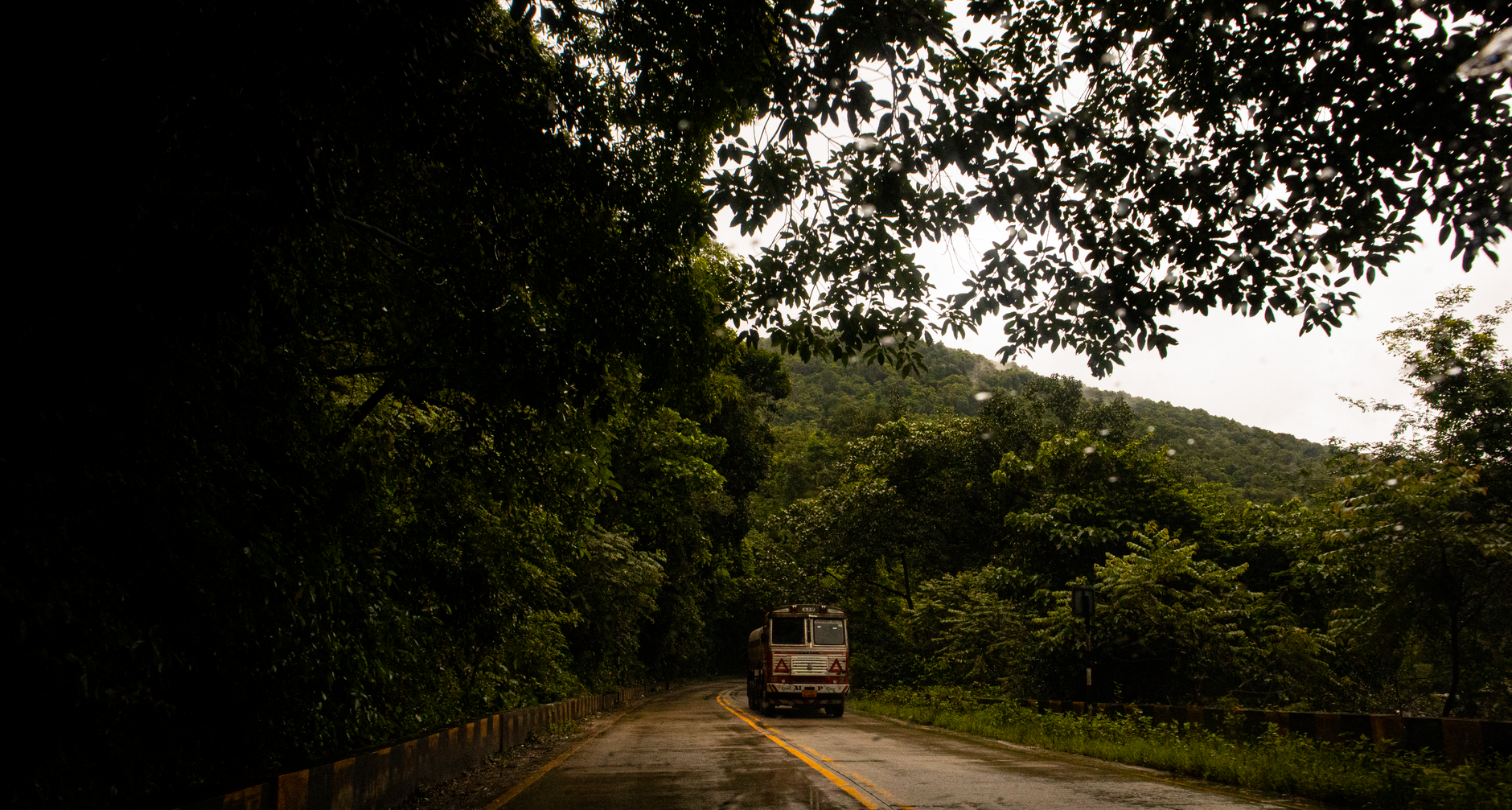
From Bhivpuri Road station, one stop before Karjat on the Central line, it is a 3 km walk through paddy to the base of the falls below the Tata power channel. Best from mid-July to September. Go with a group, do not stand under the main fall, and expect leeches on the path after heavy rain.

Local operators along the Karjat–Kondhana road run river activities in the monsoon months, roughly ₹1,200 to ₹2,000 a head for a short rafting stretch. Ask to see the jackets and confirm the guide is not an intern. Water levels drop sharply after October and the section becomes a wade.

From Ambivli village, about 25 km from Karjat, a 90-minute climb ends with a rock-cut staircase inside the pinnacle itself, one of the best short trek payoffs in the Sahyadris. Start at 6.30am. There is chai and misal at the base village for about ₹80 and no water on the way up.

An old Shiva temple in a mango grove roughly 6 km northeast of Karjat town, with a stream and rock pools behind it. It is a local picnic spot rather than a monument — busy on Mondays and in Shravan, empty on a weekday morning. Free entry; carry your own water and take your rubbish back out.
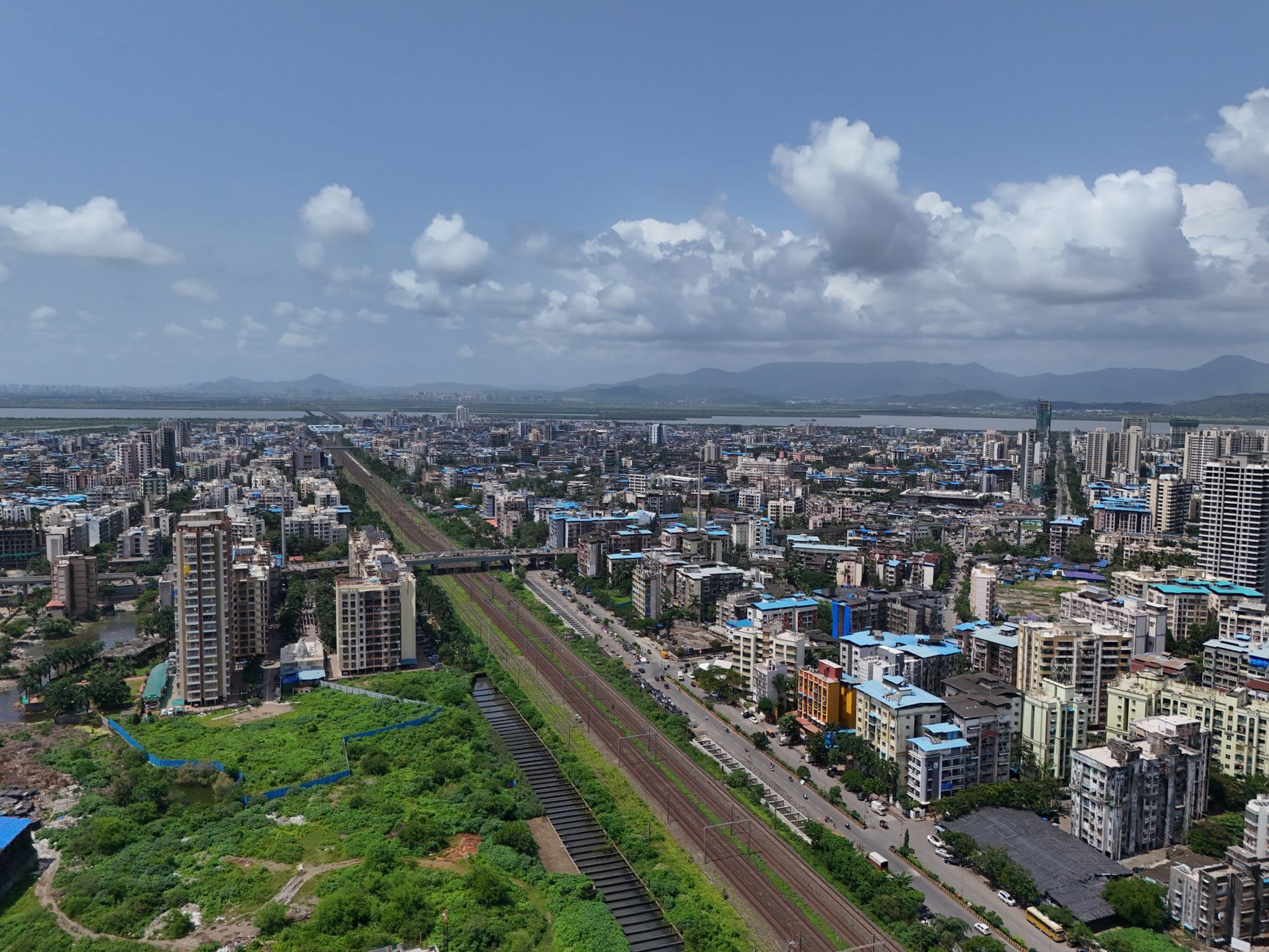
Karjat is where extra banker locomotives are attached to push trains up the Bhor ghat toward Lonavala. From the road above Palasdari, 8 km out, you can watch the twin-track climb through the hills. Trainspotting sounds niche; the engineering and the view together are not.

Along the Karjat–Chowk road several family kitchens serve Agri-Koli thalis — bhakri, chicken rassa, tambda rassa, solkadhi — for ₹300 to ₹500 with an hour's notice. Ask your homestay to phone ahead. This is better and cheaper than any resort restaurant within 30 km.
What to see
Hotels in Karjat
No hotels are listed in Karjat yet. The nearest ones are on the region page.

Getting around Karjat
Karjat is a Central Railway junction, which is the whole reason to come this way. Locals and expresses from CSMT, Dadar and Thane take one and a half to two and a half hours; second-class local fare is under ₹40 and even a first-class ticket stays cheap. From the airport, take a cab to Kurla or Thane and switch to a Karjat local, or drive the 70 km via Panvel and the old highway in about two hours off-peak. Autos wait outside Karjat station — ₹250 to ₹600 depending on how far up the Kondhana or Kadav road you are going. Beyond the station you need your property's pickup; village roads have no streetlights and no reliable night autos.
Questions about Karjat
Yes, and it is the best way. Karjat is a Central line terminus with frequent locals from CSMT, Dadar, Kurla and Thane, taking one and a half to two and a half hours for well under ₹100 even in first class. Several Pune-bound expresses also stop. Ask your homestay for a station pickup, because autos thin out after dark on the village roads.
Trekking and rivers, mostly. Peth fort at Kothaligad and Bhimashankar-side routes start within an hour, the Bhivpuri and Zenith waterfalls run from July to September, and the Ulhas takes kayaking and short rafting in monsoon. Kondeshwar temple and its stream pools make an easy morning. There is no museum, no market worth browsing and no nightlife at all.
For groups of eight to thirty, it is one of the better options within 70 km of Mumbai — whole-villa bookings on the Kondhana and Bhivpuri roads at ₹9,000 to ₹25,000 a night, with meals, breakout space and near-total quiet. Confirm generator backup and mobile coverage before booking; both are genuinely patchy in the valley pockets. For 200 delegates, use Lonavala instead.
Late June to October for the monsoon — full rivers, running waterfalls, green paddy and the lowest rates of the year midweek. November to January is dry, cool and excellent for morning walks and treks, with mist over the fields at dawn. Avoid March to May, when the valley pushes into the mid-thirties and the rivers are down to a trickle.


